
Poprzedni odcinek
S01E12 - "August"
Wyemitowany Jan 19, 2011, 9:00 PM
Następny odcinek
Serial zakończony
Opis
Odcinki (1 Sezony · 12 Odcinków)
September
In September they begin with the basics. They set up home in one of the cottages, where the first task - after cleaning - is unblocking the chimney so they can get the range working in order to cook.
Nov 10, 2010
60 min
October
In October, the Edwardian farmers branch out into new ventures like market gardening, all-year-round egg production and beef cattle. After acquiring a beef herd, the team bring in a bull. They also begin training the shire horses for a year of work in the fields. And they take on a pair of goats who prove to be more than a handful at milking time.
Nov 17, 2010
60 min
November
It's November and to prosper as Edwardian farmers, Alex, Peter and Ruth need to get to grips with the technologies of the age and use Edwardian science to set up an exciting new venture on the farm.
Nov 24, 2010
60 min
December
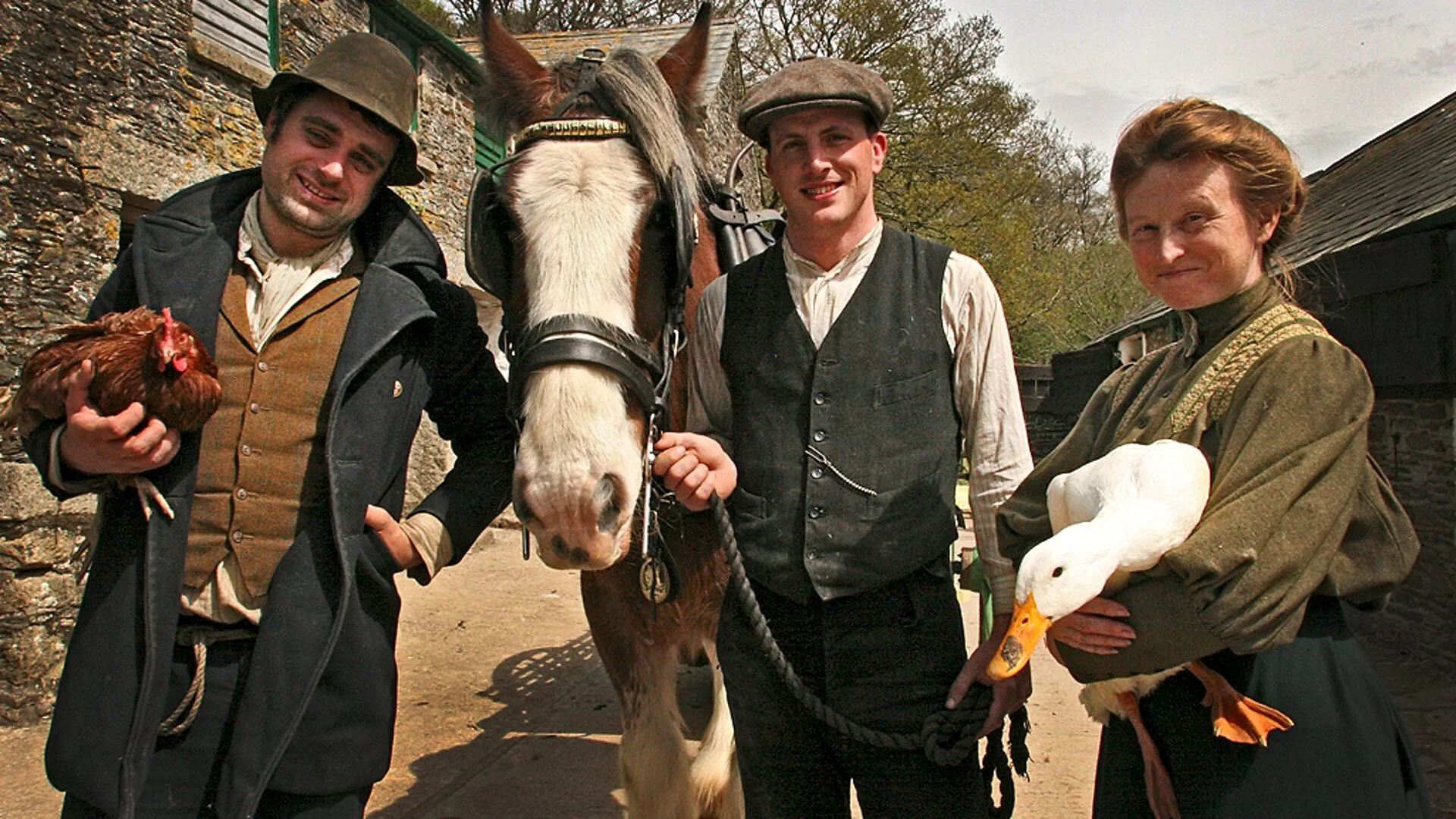
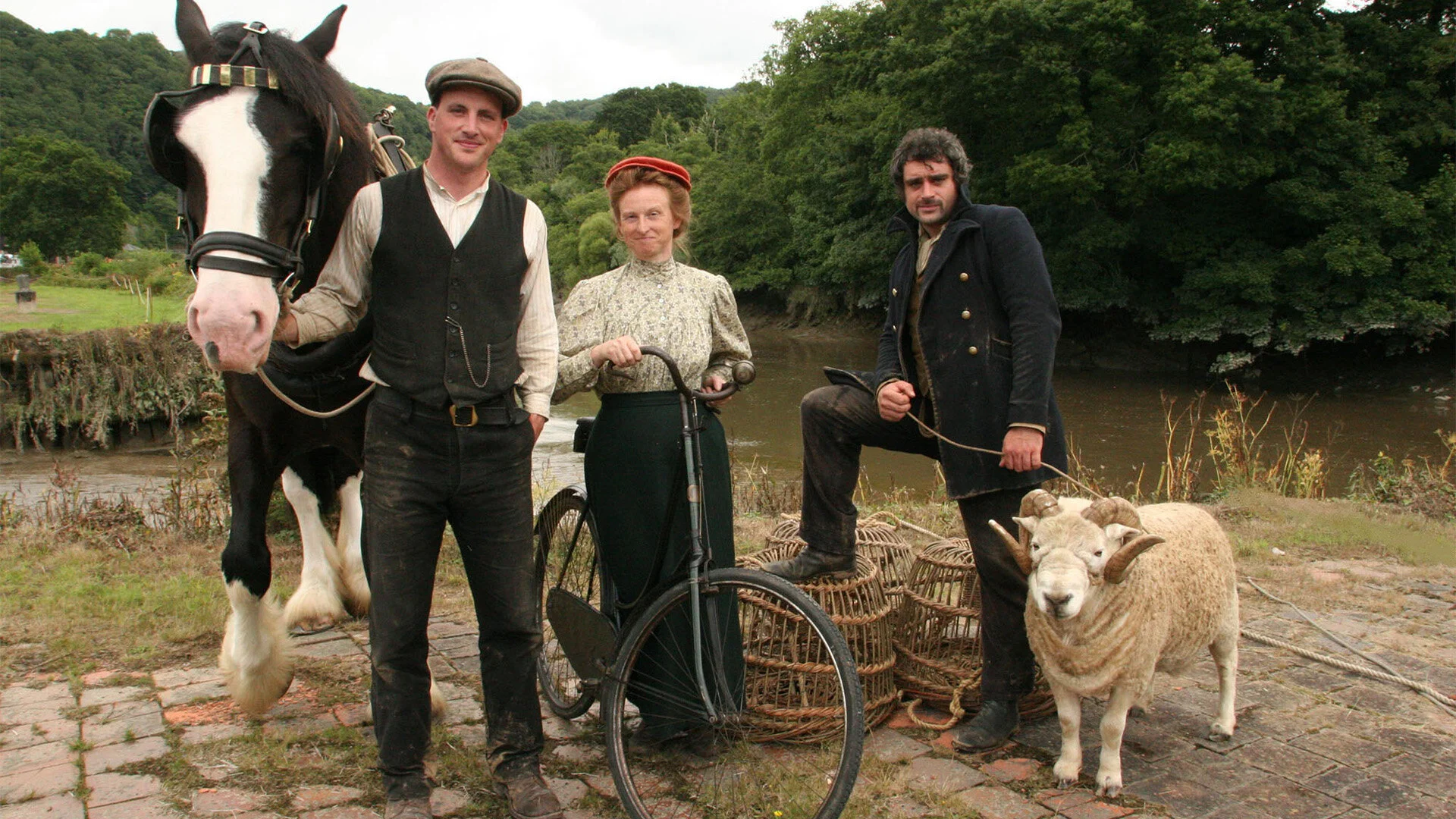
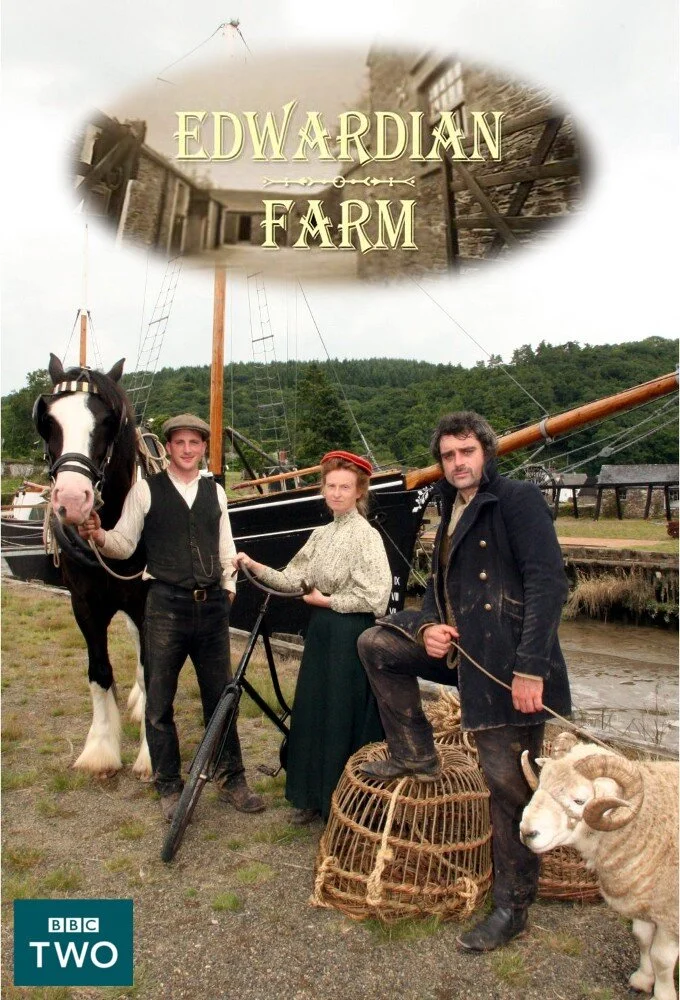
Archaeologists Alex Langlands and Peter Ginn and historian Ruth Goodman are in Morwellham Quay in Devon - once home to one of the busiest ports in Britain. They will be attempting to bring it back to life as it was in its Edwardian heyday.It's December and, as winter sets in, Alex, Peter and Ruth face the challenge of earning a living in one of the hardest months of the year. They'll have to profit from their livestock, leave the farm in search of part-time work and head to the coast to reap the ocean's bounty.
Dec 1, 2010
60 min
January
Archaeologists Alex Langlands and Peter Ginn go down a copper mine, just a few hundred yards from their cottage, which was once the major source of Morwellham Quay's wealth. In the 19th century the largest deposit of copper in Europe was discovered in Devon. And the mining industry made Morwellham the busiest inland port in Britain. In the latter half of the century rising costs and cheap foreign imports put the copper mining industry into decline. But resourceful Devon farmers found other ways to extract income from copper - such as 'fossicking' (literally scavenging by breaking up rocks overground) and building precipitation tanks which extracted copper deposits from the water which flowed out of the mines.
Dec 8, 2010
60 min
February
It is February and archaeologists Alex Langlands and Peter Ginn and historian Ruth Goodman approach the halfway point in their year on the Edwardian Farm. To mark the occasion this episode explores one single day in a typical Edwardian farmer's life.
Dec 15, 2010
60 min
March
It is March and Ruth Goodman, Alex Langlands and Peter Ginn greet the long-awaited arrival of spring. It is time to bring in the daffodil harvest. During it's heyday in the early 20th century, the Tamar Valleywas the largest producer of early daffodils in Britain - the result of the region's mild climate combined with the arrival of a railway, which meant produce could be delivered to towns and cities across Britain within hours of being picked. The team takes their daffodil crop to the train station and gets to grips with the workings of the Edwardian steam-powered railway system.
Dec 19, 2010
60 min
April
It is April and the fishing season has arrived - a time when Devon's 'fisherman-farmers' went to sea.Alex Langlands and Peter Ginn go to sea in an Edwardian trawler, hastily finishing repairs before setting sail. They master the singing of sea shanties as well as steering a wind-powered vessel and casting a net the old-fashioned way - but will they catch any fish?
Dec 24, 2010
60 min
May
It's May and, with Empire Day approaching, a very special boat comes to the valley.The paddle steamer Monarch is arriving: one of only three in the country that are still operational. It's the first time such a vessel has arrived at Morwellham Quay in 80 years.
Dec 31, 2010
60 min
June
It's June, and archaeologists Alex Langlands and Peter Ginn and historian Ruth Goodman head up to Dartmoor to discover the ways in which Edwardian farmers took advantage of this unique and spectacular landscape to add to their income.The team follows a flock of sheep up on to Dartmoor, where it was traditional for many shepherds to take their flocks for summer grazing. Alex and Peter get to grips with shearing, while Ruth takes the fleeces off to a wool mill to find out how it was processed and manufactured.
Jan 6, 2011
60 min
July
It's July and the team face their busiest month so far on the farm.It's time to bring in the cherry harvest with the help of their Dartmoor pony Laddy, and enjoy a cherry feast to celebrate. Historian RuthGoodman tries her hand at salmon netting, while archaeologists Alex Langlands and Peter Ginn take drastic measures to save their potato crop from being destroyed by blight.
Jan 12, 2011
60 min
August
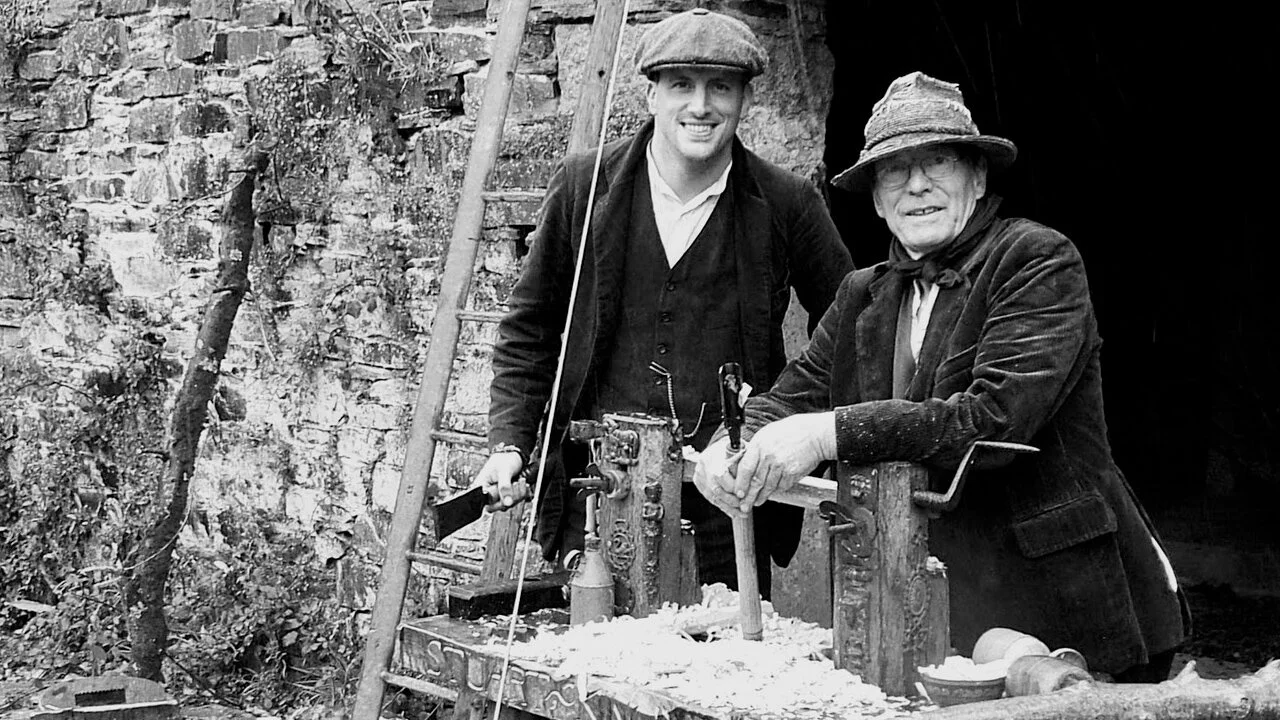
August brings the climax of the farming year - and the end of 12 months on the Edwardian Farm for archaeologists Alex Langlands and Peter Ginn and historian Ruth Goodman.The team must harvest their oat crop, but everything depends on the weather. Constant rain is making the job impossible. It is crucial to be able to predict when a dry spell will come so that they can be prepared to swing into action. They investigate ways of forecasting the weather and embark on creating a weather vane. Peter tries his hand at the art of repousse to make a copper cockerel for the vane, and the team heads for the woods to do a traditional charcoal burn in order to smelt iron for the compass points.
Jan 19, 2011
60 min
Galeria