

Vorherige Episode
S01E02 - "Episode 2"
Ausgestrahlt am May 20, 2018, 7:00 PM
Nächste Episode
Serie beendet
Beschreibung
Episoden (1 Staffel · 2 Episoden)
Episode 1
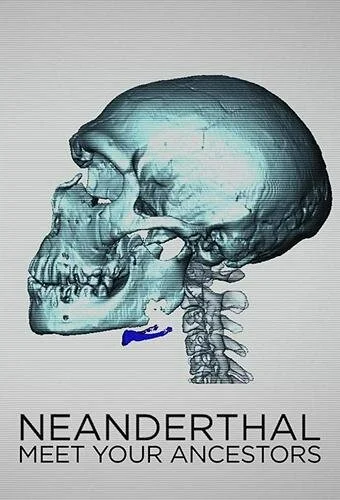
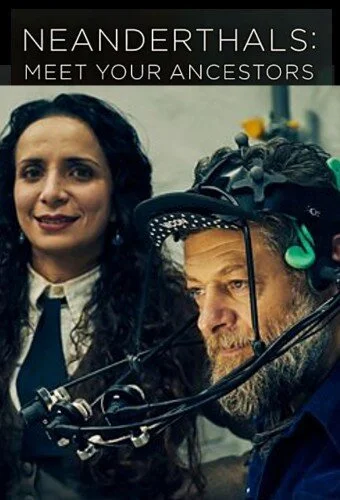
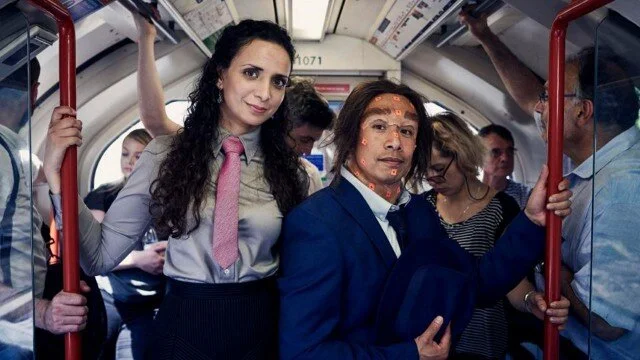
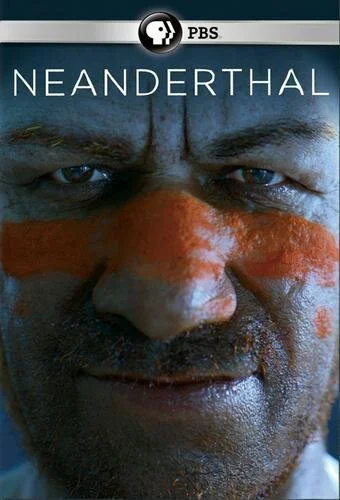
This first episode of the series investigates what Neanderthals looked like and how they lived in their Ice Age world. It turns out that almost everything we thought we knew about them is wrong. They weren't hunched, grunting, knuckle-dragging ape-men at all. In reality they were faster, smarter, better looking - and much more like us than we ever thought. Our guide is Ella Al-Shamahi, a young, British, rising star in Neanderthal research, with an unusual side-line as a stand-up comic. She enlists the skills of Andy Serkis, the global movie star and master of performance capture, best known as Gollum in the Lord of the Rings and Caesar in Planet of the Apes, who uses his Hollywood magic to create for the first time ever a scientifically accurate, 3D working avatar of a real Neanderthal.
May 13, 2018
60 Min.
Episode 2
In this episode, Ella Al-Shamahi explores the fate of the Neanderthals - asking why they became extinct, and discovering how they live on inside of us today. The programme starts in the caves of Gibraltar, which may have been the last place the Neanderthals survived. Discoveries here have shown the Neanderthals lived a good life - feasting on seafood and wild game. These were a people who were supremely well adapted to their environment. But about 40,000 years ago they disappeared. Why?
May 20, 2018
60 Min.

Galerie


Bewertungen
Ähnliche Serien
Alle anzeigen




 96%
96% Reign
Jahr: 2013