Episódio Anterior
S01E02 - "Episode 2"
Foi ao ar em Oct 10, 2019, 8:00 PM
Próximo Episódio
Série Encerrada
Descrição
Episódios (1 Temporada · 2 Episódios)
Episode 1
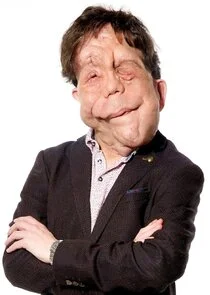
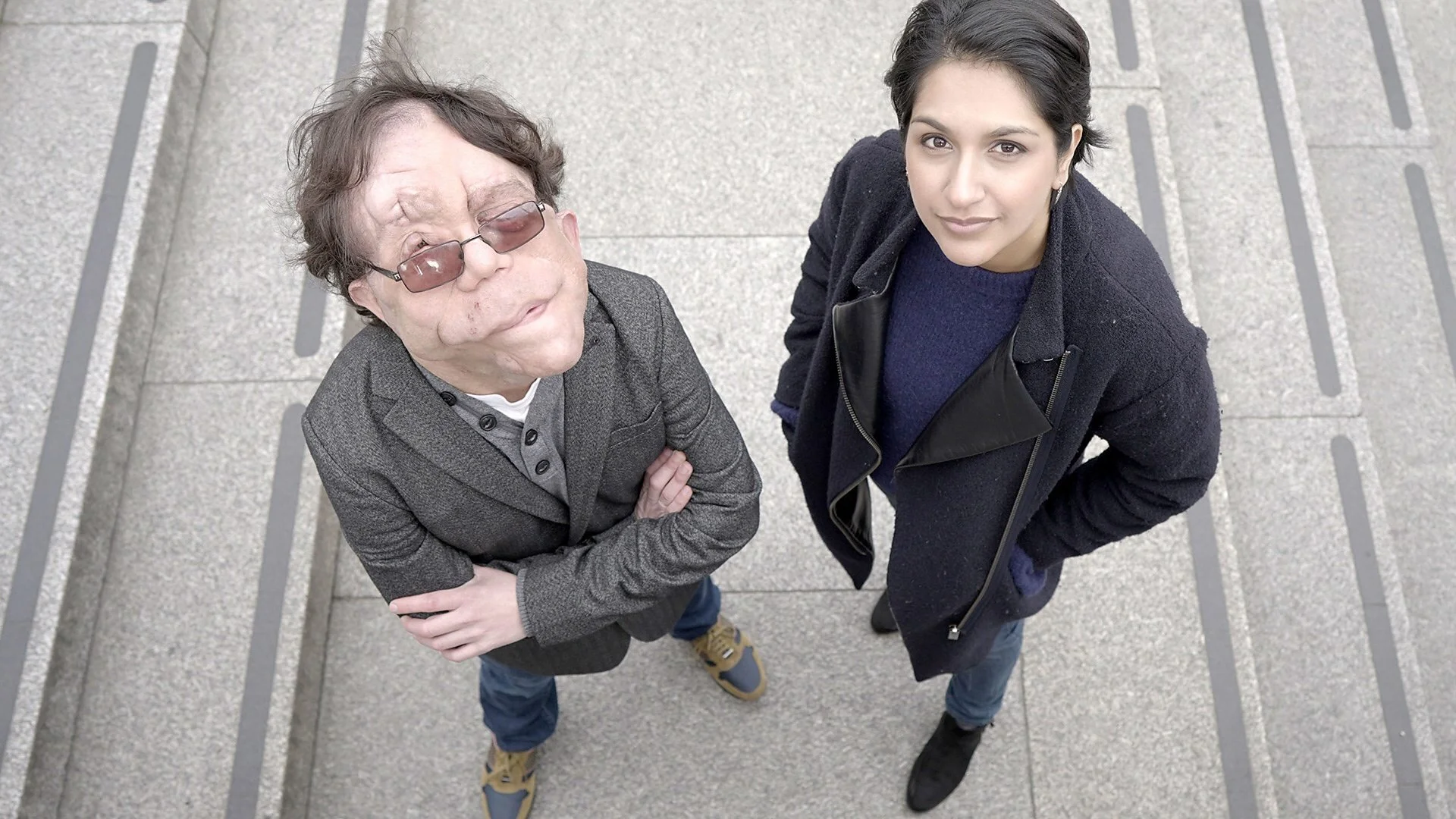
Science journalist Angela Saini and disability rights activist Adam Pearson, reveal that eugenics - the controversial idea that was a driving force behind the Nazi death camps - originated in the upper echelons of the British scientific community.The presenters uncover how shocking eugenic beliefs permeated the British establishment and intelligentsia; supporters included figures such as Winston Churchill and Marie Stopes. They see how eugenics influenced the Mental Deficiency Act of 1913, which resulted in thousands of disabled people being locked up for decades. Eugenics shaped immigration law, education policy and even town planning. The documentary uncovers disturbing links between British universities and German race scientists in the first half of the 20th century, and investigates how eugenics fed into the racist ideologies of Nazi Germany.
Oct 3, 2019
60 min
Episode 2
Science journalist Angela Saini and disability rights activist Adam Pearson uncover the shocking story of eugenics, the controversial idea that the human race can be improved by selective breeding. It is commonly thought that eugenics disappeared after the horrors of the Nazi Holocaust, but the presenters discover how eugenic practices, such as the sterilisation of the poor, continued on a global scale for many more years. The presenters meet the victims of this ideology, including a woman who was sterilised.The presenters ask if eugenic-style attitudes towards the poor and disabled continue to shape today's society, and explore if breakthroughs in medicine, such as screening and gene editing, will combine with prejudice against the disabled to bring a form of eugenics back. They weigh the undoubted benefits of modern medicine with the possibility of their misuse in the name of human enhancement. They look into the story of the first attempts to edit the genomes of humans in China and explore the latest science on the issue of what's more important—nature or nurture.
Oct 10, 2019
60 min
Elenco
Galeria
Avaliações
Séries Semelhantes
Ver Tudo
 99%
99% NOVA
Ano: 1974

 60%
60% Coast
Ano: 2005